Back to Library
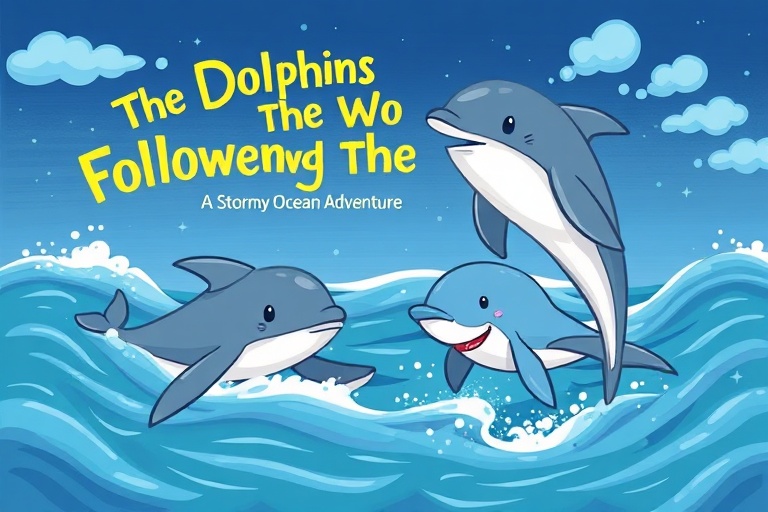
The Dolphin Who Followed the Whales: A Stormy Ocean Adventure
Preview
High Intermediate (B1 High) CEFR B1

The Dolphin Who Followed the Whales: A Stormy Ocean Adventure

Dizzy the young dolphin had always been the silliest swimmer in his pod. While other dolphins practiced serious flips, Dizzy blew bubbles out of his blowhole and made silly faces at the sea turtles. H...

Duration

5 min read

Length

343 words

Story

5 paragraphs

Story Excerpt

Sample preview reading passage

Paragraphs 1–2 of 5

Dizzy the young dolphin had always been the silliest swimmer in his pod. While other dolphins practiced serious flips, Dizzy blew bubbles out of his blowhole and made silly faces at the sea turtles. However, everything changed when a group of giant humpback whales passed by his home lagoon. Dizzy had never seen such enormous creatures, and he decided to follow them on their long migration across the open ocean.

At first, the journey was exciting. Dizzy learned that whales and dolphins are both mammals, which means they breathe air through their blowholes just like he does. The whales sang beautiful, long songs that traveled for miles underwater, and Dizzy tried to copy them with his own squeaky clicks. He also discovered that he could use echolocation to find fish in the dark water, which was very useful when the sun went down.


Enjoying the preview?

Sign in to read the full story, track your progress, and earn rewards.

Complete Story & Ending Interactive Vocabulary & Quizzes Track Reading Streak & XP
Educational Objectives

Story Details

Grammar focus and learning objectives covered in this story.

Grammar Level

B1 · Past Perfect, Third Conditional, Present Perfect

Learning Outcomes

  • read a story about a dolphin and identify how marine mammals breathe and communicate.
  • recognise and use vocabulary such as mammal, blowhole, pod, echolocation, and migration.
  • understand and apply the past perfect and third conditional to talk about past events.
  • explain how marine mammals travel across oceans and what threats they face.
  • answer comprehension questions and summarise the story in your own words.

Grammar Focus

Past Perfect: had + past participle

We use the past perfect to talk about an action that happened before another action in the past. It helps show which event came first.

“ If he hadn't followed the whales so far from home, he would have been safe in his lagoon.
Tip: Use 'had' for all subjects (I, you, he, she, it, we, they) in the past perfect.
Conditionals (Third Conditional): If + past perfect, would have + past participle

We use the third conditional to imagine a different past. It describes something that did not happen and its imaginary result.

“ If he hadn't followed the whales so far from home, he would have been safe in his lagoon.
Tip: Remember to use 'hadn't' for negative conditions and 'would have' for the result.
Present Perfect: have/has + past participle

We use the present perfect to talk about experiences or actions that happened at an unspecified time before now. The exact time is not important.

“ Dizzy had never seen such enormous creatures, and he decided to follow them on their long migration across the open ocean.
Tip: Use 'never' with the present perfect to talk about things you have not experienced.

Reading tip

Daily Habit

Say new words out loud or use them in your own sentence — actively using a word moves it into lasting memory.

Create a free account and turn this tip into a daily habit — full stories, quizzes, and progress tracking included.

More Stories to Read

Explore other popular stories from our reading library.

View all