



Back to Library
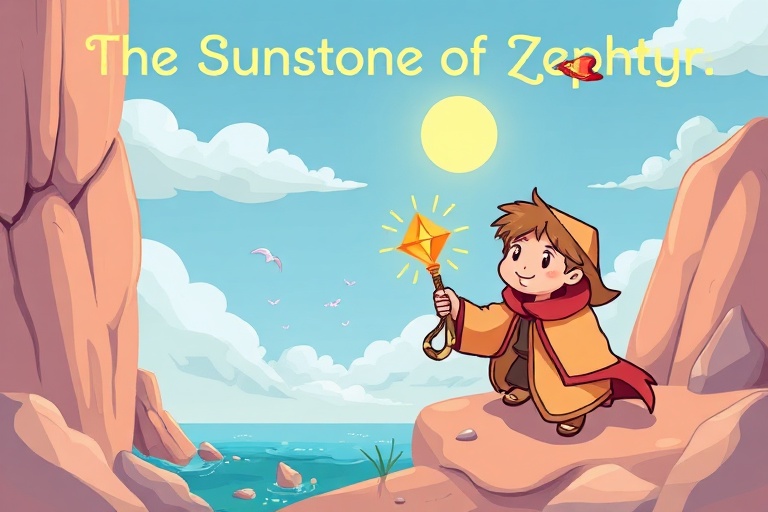
The Sunstone of Zephyr: The Wind’s Honest Triumph
Preview
Mastery (C2 High) Professional / Career CEFR C2

The Sunstone of Zephyr: The Wind’s Honest Triumph

In the twilight of the Ancient Kingdom of Zephyr, where the sands sprawled like a parchment of gold beneath an unforgiving sun, the fabled Trial of the Burning Sun was a rite as old as the dynasties t...

Duration

5 min read

Length

862 words

Story

10 paragraphs

Story Excerpt

Sample preview reading passage

Paragraphs 1–2 of 10

In the twilight of the Ancient Kingdom of Zephyr, where the sands sprawled like a parchment of gold beneath an unforgiving sun, the fabled Trial of the Burning Sun was a rite as old as the dynasties themselves. Each year, the city's most valiant warriors and cunning tacticians vied for the privilege of retrieving the Sunstone, a cataclysmic relic that could revive withered oases and quell the wrath of tempests. Yet this year, the contest was more than a mere display of prowess; it was a dais upon which the very soul of the realm would be weighed and found wanting or worthy.

Azar, scion of the Sirocco clan, was a hero whose veins coursed with the restless energies of the desert winds. He could summon cyclones with a flick of his wrist, coax the dunes into veils of glass, and command the air itself to bear him across the abyss of barren rock. But his contemporaries often whispered that his true, irrevocable power lay not in his elemental mastery, but in an incorruptible rectitude that made his heart an inviolable sanctuary, untouched by the tendrils of avarice.


Enjoying the preview?

Sign in to read the full story, track your progress, and earn rewards.

Complete Story & Ending Interactive Vocabulary & Quizzes Track Reading Streak & XP
Educational Objectives

Story Details

Grammar focus and learning objectives covered in this story.

Grammar Level

C2 · Past Simple Passive, Past Perfect, Modal Perfect

Learning Outcomes

  • Recognise and understand the use of past simple passive in literary narratives.
  • Identify past perfect to sequence events and show earlier actions in a story.
  • Use modal perfect 'could have + past participle' to express unrealized past possibilities.
  • Analyse how advanced grammar structures enhance the dramatic and moral tone of a narrative.
  • Apply these structures in your own writing to achieve a formal, literary style.

Grammar Focus

Past Simple Passive: was/were + past participle

Use the past simple passive to describe actions done to the subject, often in formal or literary narratives. It highlights the receiver of the action rather than the doer.

“ the contest was more than a mere display of prowess; it was a dais upon which the very soul of the realm would be weighed and found wanting or worthy.
Tip: Ensure the past participle is correct (e.g., 'weighed', not 'weigh') and that the passive voice is appropriate for the context, often to maintain an objective or dramatic tone.
Past Perfect: had + past participle

Use the past perfect to talk about an action that happened before another past action or time. It clarifies the sequence of events in the past.

“ Javan had once been a hero of the people, but his victories had steadily soured into a perverse obsession with dominion
Tip: Use the past perfect only when you need to show that one past action occurred before another; otherwise, simple past is sufficient.
Modal Perfect: could have + past participle

Use 'could have + past participle' to express past ability or possibility that was not realized. It often implies a hypothetical or unfulfilled action.

“ his powers could easily have excavated his own passage or merely teleported him across the final dunes
Tip: Remember that 'could have' is followed by the past participle of the main verb, not the base form. It often conveys regret or unrealized potential.

Reading tip

Daily Habit

Pick stories slightly below your level. Understanding about 95% of the words keeps reading enjoyable and effective.

Create a free account and turn this tip into a daily habit — full stories, quizzes, and progress tracking included.

More Stories to Read

Explore other popular stories from our reading library.

View all