



Back to Library
The Wolf and the Lost Moonstone (2)
Preview
Elementary (A2 Low) General Reading CEFR A2

The Wolf and the Lost Moonstone (2)

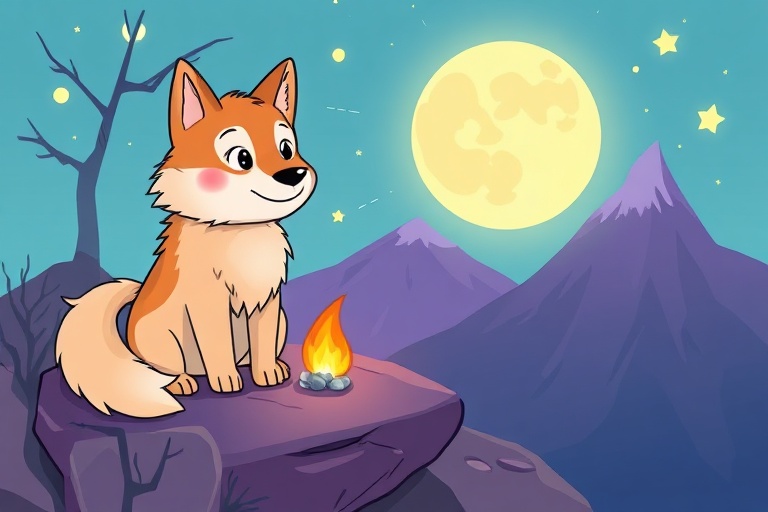
In a magical kingdom, there lived a calm wolf named Fen. He had soft grey fur and kind yellow eyes. Every morning, he walked to the Whispering River to drink. The water sang a quiet song. Fen loved to...

Duration

5 min read

Length

198 words

Story

4 paragraphs

Story Excerpt

Sample preview reading passage

Paragraphs 1–2 of 4

In a magical kingdom, there lived a calm wolf named Fen. He had soft grey fur and kind yellow eyes. Every morning, he walked to the Whispering River to drink. The water sang a quiet song. Fen loved to listen.

One day, Fen found a small blue stone near the river. It was the Moonstone, the kingdom's most precious treasure. But then a strong wind blew, and the stone rolled away. Fen looked under a bush, but it was not there. He looked behind a rock, but it was not there. He felt worried.
Enjoying the preview?

Sign in to read the full story, track your progress, and earn rewards.

Complete Story & Ending Interactive Vocabulary & Quizzes Track Reading Streak & XP
Educational Objectives

Story Details

Grammar focus and learning objectives covered in this story.

Grammar Level

A2 · Past Simple, Future with 'will', prepositions of place

Learning Outcomes

  • read and understand a short story about a wolf and a lost stone.
  • recognise and use past simple verbs to talk about past events.
  • use 'will' to talk about future actions and decisions.
  • identify prepositions of place like 'under', 'behind', and 'near'.
  • answer comprehension questions about the story's events and moral.

Grammar Focus

Past Simple: subject + verb-ed / irregular past

We use the past simple to talk about actions that happened and finished in the past. Regular verbs add -ed, and some verbs are irregular (e.g., find → found, blow → blew).

“ One day, Fen found a small blue stone near the river.
Tip: Remember that irregular verbs change form; learn them one by one.
Future Simple with 'will': subject + will + base verb

We use 'will' to talk about the future, make decisions, or promises. It shows what someone plans or expects to do.

“ "I will wait and think," he said.
Tip: Use 'will' + the base form of the verb (no 'to', no -s).
Prepositions of place: under, behind, near

Prepositions of place show where something is. Common ones are 'under', 'behind', 'near', 'on', and 'in'.

“ He looked under a bush, but it was not there.
Tip: Picture the scene in your mind to choose the right preposition.

Reading tip

Daily Habit

Read 10–15 minutes every day. Short daily sessions build vocabulary faster than one long session a week — consistency beats intensity.

Create a free account and turn this tip into a daily habit — full stories, quizzes, and progress tracking included.

More Stories to Read

Explore other popular stories from our reading library.

View all