Back to Library
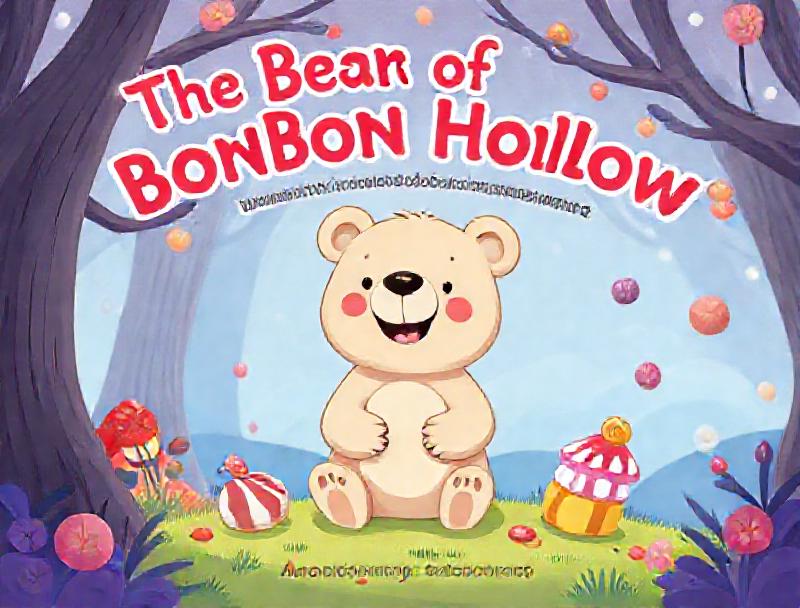
The Bear of Bonbon Hollow: A Confectionery Conundrum
Preview
Mastery (C2 High) CEFR C2

The Bear of Bonbon Hollow: A Confectionery Conundrum

In the labyrinthine avenues of Bonbon Hollow, where the air itself congealed into a saccharine mist that clung to the lungs, a young bear named Barnaby trundled through the cacophony of commerce, his...

Duration

5 min read

Length

1,020 words

Story

10 paragraphs

Story Excerpt

Sample preview reading passage

Paragraphs 1–2 of 10

In the labyrinthine avenues of Bonbon Hollow, where the air itself congealed into a saccharine mist that clung to the lungs, a young bear named Barnaby trundled through the cacophony of commerce, his senses assailed by a symphony of delights. The market was an assault on the olfactory system, a riot of smells—burnt caramel, peppermint, and the faint, acrid tang of scorched sugar—that mingled with the visual kaleidoscope of stalls piled high with gleaming truffles and iridescent lollipops. Barnaby’s eyes, wide with wonder, darted from one spectacle to the next, yet his ears pricked at the sotto voce murmurs of the merchants, who spoke of a mysterious theft that had plunged the kingdom into a state of hushed anxiety. It was said that the Great Gummy Gem, the source of Bonbon Hollow’s eternal sweetness, had vanished, and with it, the very essence of the realm’s joy.

Determined to unravel the enigma, Barnaby approached a stooped confectioner whose face was etched with the weary lines of one who had tasted too much of life’s bitterness. The old bear, whose name was Griswold, explained that the Gem had been guarded by a series of sensory trials, each designed to test the perceptive faculties of any potential thief. “To find the truth,” Griswold rasped, his voice like gravel rolling in honey, “you must employ your five senses—sight, hearing, taste, touch, and smell—for each holds a clue that the others cannot perceive.” Barnaby nodded, though he privately doubted whether his own senses, dulled by a lifetime of hibernation and honey-laden dreams, were sharp enough for such a task.


Enjoying the preview?

Sign in to read the full story, track your progress, and earn rewards.

Complete Story & Ending Interactive Vocabulary & Quizzes Track Reading Streak & XP
Educational Objectives

Story Details

Grammar focus and learning objectives covered in this story.

Grammar Level

C2 · Past Perfect Continuous, Passive Voice with Modals, Inversion

Learning Outcomes

  • Identify and use the five senses and their associated body parts in descriptive contexts.
  • Explain how senses compensate when one is impaired, using examples from the story.
  • Analyse the moral that actions speak louder than words through character actions.
  • Apply advanced grammar structures such as inversion and passive modals in writing.
  • Summarise the plot and central conflict in a concise, coherent paragraph.

Grammar Focus

Past Perfect Continuous: subject + had + been + present participle

This tense describes an action that was ongoing in the past up until another past event or time. It emphasises the duration or continuous nature of the earlier action.

“ Barnaby had been searching for the Gem for hours before he found the first clue.
Tip: Use it to show cause or background: the longer action sets the scene for a shorter past event.
Passive Voice with Modal Verbs: modal + be + past participle

This structure combines a modal verb (can, must, might, etc.) with the passive voice to express possibility, necessity, or ability in a passive construction.

“ each sense, when deprived of the others, could be deceived
Tip: Use it when the doer of the action is unknown, unimportant, or obvious from context.
Inversion with Negative Adverbials: negative adverb + auxiliary verb + subject + main verb

When a negative or restrictive adverb (e.g., 'not only', 'rarely', 'never') begins a sentence, the subject and auxiliary verb are inverted for emphasis.

“ not only did he see the clue, but he also heard the whisper
Tip: This is a formal, literary device. Ensure the auxiliary verb matches the tense of the main verb.

Reading tip

Daily Habit

Say new words out loud or use them in your own sentence — actively using a word moves it into lasting memory.

Create a free account and turn this tip into a daily habit — full stories, quizzes, and progress tracking included.

More Stories to Read

Explore other popular stories from our reading library.

View all