Back to Library
The Undersea Code of Self
Preview
High Intermediate (B1 High) Professional / Career CEFR B1

The Undersea Code of Self

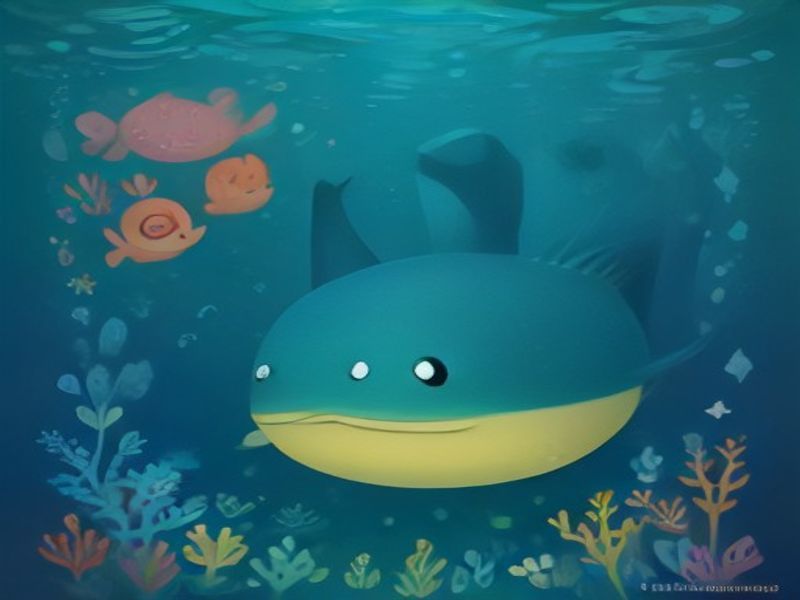
Maya had lived in the underwater city of Coral Deep for three years, but she had never seen the lights fade like this. As the lead software engineer, she knew every line of code in the city's life-sup...

Duration

5 min read

Length

343 words

Story

5 paragraphs

Story Excerpt

Sample preview reading passage

Paragraphs 1–2 of 5

Maya had lived in the underwater city of Coral Deep for three years, but she had never seen the lights fade like this. As the lead software engineer, she knew every line of code in the city's life-support system. However, something was wrong. The water pumps hesitated, and the air filters made strange sounds. If the system failed completely, the whole city would be in danger.

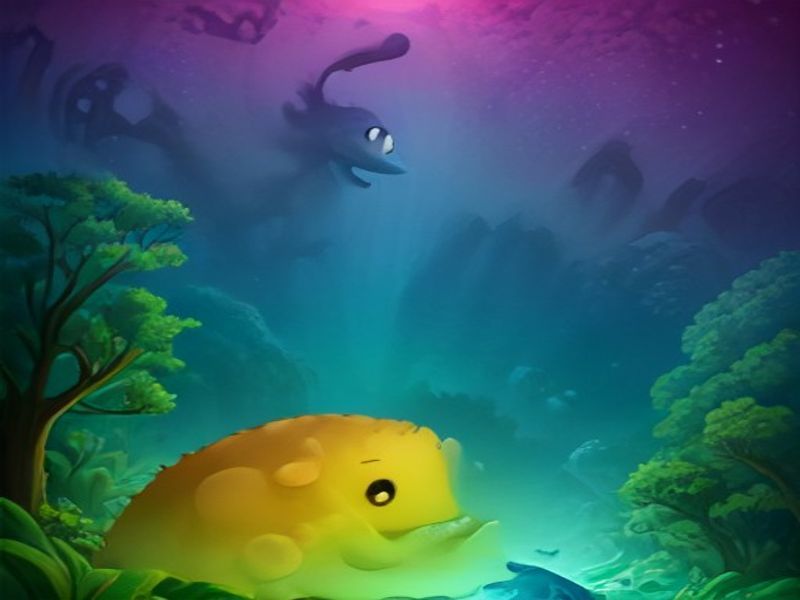
She spent hours in her laboratory, examining the logs. The errors pointed to a hidden program, one that had been copied from the famous Dr. Reyes, who designed the original city AI. Maya felt a chill. Every engineer in Coral Deep had tried to imitate Dr. Reyes, and Maya had struggled to do the same. But her own unique coding style had always been rejected by the system.

Enjoying the preview?

Sign in to read the full story, track your progress, and earn rewards.

Complete Story & Ending Interactive Vocabulary & Quizzes Track Reading Streak & XP
Educational Objectives

Story Details

Grammar focus and learning objectives covered in this story.

Grammar Level

B1 · Past Perfect, Second Conditional, Passive Voice

Learning Outcomes

  • Recognise and understand the past perfect to sequence past events in a story.
  • Use the second conditional to talk about imaginary situations and their results.
  • Identify and form passive voice sentences to focus on actions or objects.
  • Discuss themes of identity and originality using the vocabulary from the story.
  • Answer comprehension questions about the plot and characters of 'The Undersea Code of Self'.

Grammar Focus

Past Perfect: had + past participle

Use the past perfect to talk about an action that happened before another past action or time. It helps show which event came first.

“ Maya had lived in the underwater city of Coral Deep for three years, but she had never seen the lights fade like this.
Tip: Use the past perfect for the earlier action and the past simple for the later action. Time words like 'before', 'after', or 'already' can help.
Second Conditional: If + past simple, would + base verb

Use the second conditional to talk about imaginary or unlikely situations in the present or future, and their possible results.

“ If the system failed completely, the whole city would be in danger.
Tip: Remember: the if-clause uses the past simple, and the main clause uses 'would' + base verb. Don't use 'will' in the if-clause.
Passive Voice: be + past participle

Use the passive voice when the focus is on the action or the receiver of the action, not on who does it. It is common in explanations and formal writing.

“ The errors pointed to a hidden program, one that had been copied from the famous Dr. Reyes, who designed the original city AI.
Tip: To form the passive, use the correct form of 'be' + past participle. If you want to say who did the action, use 'by' (e.g., 'by Dr. Reyes').

Reading tip

Daily Habit

Re-read a story you enjoyed. Each pass deepens comprehension and helps new words stick in long-term memory.

Create a free account and turn this tip into a daily habit — full stories, quizzes, and progress tracking included.

More Stories to Read

Explore other popular stories from our reading library.

View all