
Back to Library
The Whispering Fox of Thornwood Academy
Preview
Intermediate (B1 Low) Professional / Career CEFR B1

The Whispering Fox of Thornwood Academy

Although the students of Thornwood Academy were used to strange magic, the sudden appearance of a red fox in the great hall puzzled everyone. Because the fox did not act like a normal animal, it seeme...

Duration

5 min read

Length

397 words

Story

5 paragraphs

Story Excerpt

Sample preview reading passage

Paragraphs 1–2 of 5

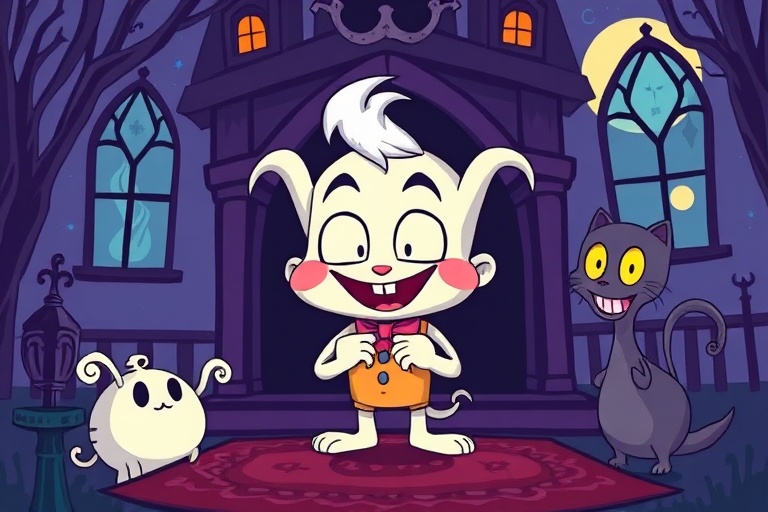
Although the students of Thornwood Academy were used to strange magic, the sudden appearance of a red fox in the great hall puzzled everyone. Because the fox did not act like a normal animal, it seemed to mimic the voices of the teachers exactly. Whenever a student heard a whispered comment, they believed it came from a friend, and soon the school was full of hurt feelings. The teachers, however, could not find any magical trap, so they decided to ignore the creature for the moment.

A quiet student named Maya thought the fox was more dangerous than it first appeared. In her opinion, the fox's power was not in its teeth but in the confusion it created among friends and teachers. She proposed a bold plan: if everyone shared exactly what they heard and spoke directly to the fox, the monster might lose its advantage. Although some students laughed at her idea, Maya felt certain that clear communication could reveal the truth.

Enjoying the preview?

Sign in to read the full story, track your progress, and earn rewards.

Complete Story & Ending Interactive Vocabulary & Quizzes Track Reading Streak & XP
Educational Objectives

Story Details

Grammar focus and learning objectives covered in this story.

Grammar Level

B1 · Past Simple, First Conditional, Past Continuous

Learning Outcomes

  • Read and understand a short story that uses past simple, first conditional, and past continuous to describe past events and hypothetical situations.
  • Recognise and use the first conditional to talk about real future possibilities and their results.
  • Identify and form the past continuous to describe actions that were happening at a particular time in the past.
  • Answer comprehension questions about the story's plot, characters, and main idea.
  • Use new vocabulary related to communication, magic, and emotions, such as 'whisper', 'rumor', 'confusion', and 'vanish'.

Grammar Focus

Past Simple: subject + verb-ed (regular) or irregular past form

Use the past simple to talk about completed actions or events in the past. Regular verbs add -ed, while irregular verbs have special forms.

“ When the fox finally appeared at midnight in the library, it started to speak with Maya's own voice, trying to trick her into accusing her best friend.
Tip: Remember that irregular verbs like 'appeared' (regular) and 'started' (regular) follow the -ed rule, but verbs like 'was' and 'were' are irregular and must be memorised.
First Conditional: if + present simple, will + base verb

Use the first conditional to talk about real or possible situations in the future and their likely results.

“ If they had kept their suspicions to themselves, the monster would have torn the school apart.
Tip: Note that this example uses the third conditional (if + past perfect, would have + past participle) for unreal past situations, but the first conditional is also present in the story: 'if everyone shared exactly what they heard and spoke directly to the fox, the monster might lose its advantage.'
Past Continuous: was/were + verb-ing

Use the past continuous to describe actions that were in progress at a specific time in the past, often interrupted by another action.

“ As the students worked together, they discovered that the fox grew weaker whenever they confirmed their messages with each other.
Tip: The past continuous often appears with 'when' or 'while' to show an ongoing action that was interrupted. In this sentence, 'worked' is past simple, but the continuous form 'was working' could also be used to emphasise the ongoing nature.

Reading tip

Daily Habit

Don’t stop at every unknown word. Guess the meaning from context first, then check — that is how fluent readers build intuition.

Create a free account and turn this tip into a daily habit — full stories, quizzes, and progress tracking included.

More Stories to Read

Explore other popular stories from our reading library.

View all