English
 中国人
 ខ្មែរ
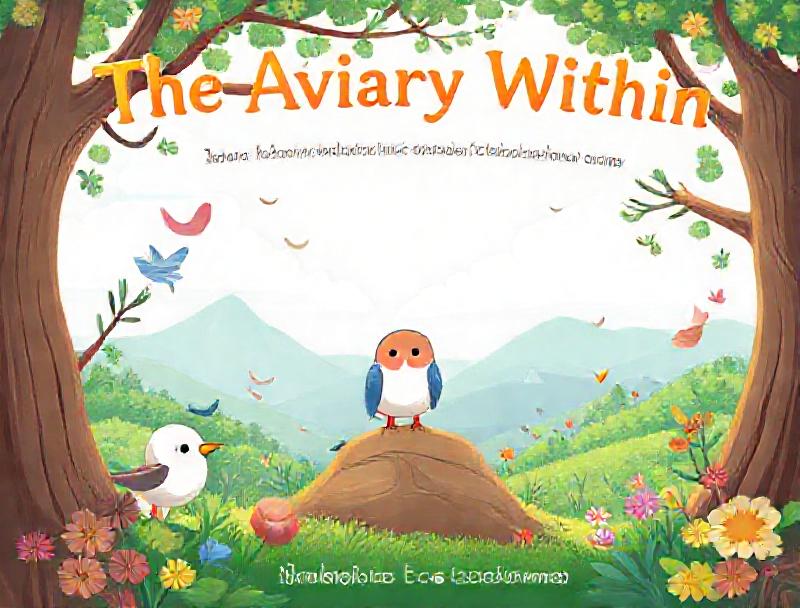
In the labyrinthine recesses of an antiquarian’s neglected townhouse, where dust motes pirouetted in shafts of amber light, there dwelt a barn owl named Alaric. His existence, circumscribed by the crepuscular rhythms of his species, had been irrevocably altered by a peculiar infirmity: a profound and inexplicable deafness. The world, for Alaric, was a pantomime of shadows—a silent film in which he was both protagonist and sole spectator, his vast, unblinking eyes the only conduit for a reality that had been stripped of its auditory dimension. He navigated the perilous geography of banisters and bookshelves with a preternatural caution, his flight a soundless ghosting through the gloom, for without hearing, the mundane creak of a floorboard or the rustle of a curtain became an insurmountable chasm of uncertainty.
His sole companion, and the unwitting architect of his reclusive dread, was a young girl named Elara, whose family had inherited the house and its taciturn tenant. Elara, a creature of irrepressible curiosity, possessed a sensorium that was perpetually afire; she experienced the world not as a series of discrete phenomena but as a synesthetic symphony. For her, the market was a grand, chaotic orchestra: the visual cacophony of garishly colored silks, the olfactory opera of exotic spices and brine, the tactile lexicon of rough burlap and cool, smooth porcelain. She yearned to share this sensory maelstrom with Alaric, to breach the fortress of his silence, but he remained an obstinate hermit, retreating into the shadows whenever she approached.