Back to Library
The Big Lion and the Small Door
Preview
Beginner (A1 Low) General Reading CEFR A1

The Big Lion and the Small Door

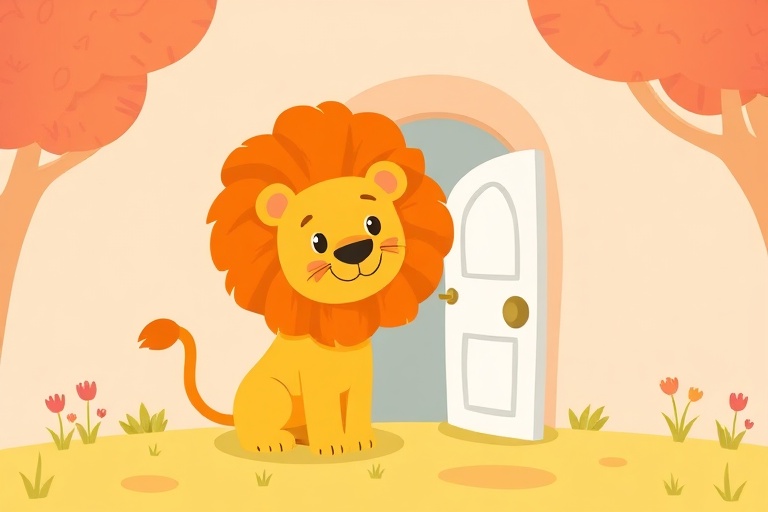
Leo is a big lion. He lives in a school. The school is warm and nice. Leo likes the children. The children like Leo too.One day, Leo sees a box. The box has a door. The door is very small. Leo wants t...

Duration

5 min read

Length

85 words

Story

3 paragraphs

Story Excerpt

Sample preview reading passage

Paragraphs 1–2 of 3

Leo is a big lion. He lives in a school. The school is warm and nice. Leo likes the children. The children like Leo too.

One day, Leo sees a box. The box has a door. The door is very small. Leo wants the food inside. He puts his head in the box. The door closes! Leo is stuck. He is sad.


Enjoying the preview?

Sign in to read the full story, track your progress, and earn rewards.

Complete Story & Ending Interactive Vocabulary & Quizzes Track Reading Streak & XP
Educational Objectives

Story Details

Grammar focus and learning objectives covered in this story.

Grammar Level

A1 · Present Simple, prepositions of place, adjectives

Learning Outcomes

  • Read and understand a short story about a lion in a school.
  • Use the present simple to talk about habits and facts.
  • Recognise and use adjectives to describe people and things.
  • Answer questions about the story.

Grammar Focus

Present Simple: subject + verb

We use the present simple to talk about things that are always true or happen often.

“ Leo is a big lion.
Tip: For he, she, it, add -s to the verb. For I, you, we, they, use the base verb.
Prepositions of place: in, on, at

We use 'in' for inside something, 'on' for on top of something, and 'at' for a place.

“ He lives in a school.
Tip: Use 'in' for big places like a school, a city, or a country.
Adjectives: describing words

Adjectives tell us more about a person, place, or thing. They come before the noun or after the verb 'be'.

“ The door is very small.
Tip: Put adjectives before the noun (a big lion) or after 'is' (The door is small).

Reading tip

Daily Habit

Read 10–15 minutes every day. Short daily sessions build vocabulary faster than one long session a week — consistency beats intensity.

Create a free account and turn this tip into a daily habit — full stories, quizzes, and progress tracking included.

More Stories to Read

Explore other popular stories from our reading library.

View all