



Back to Library
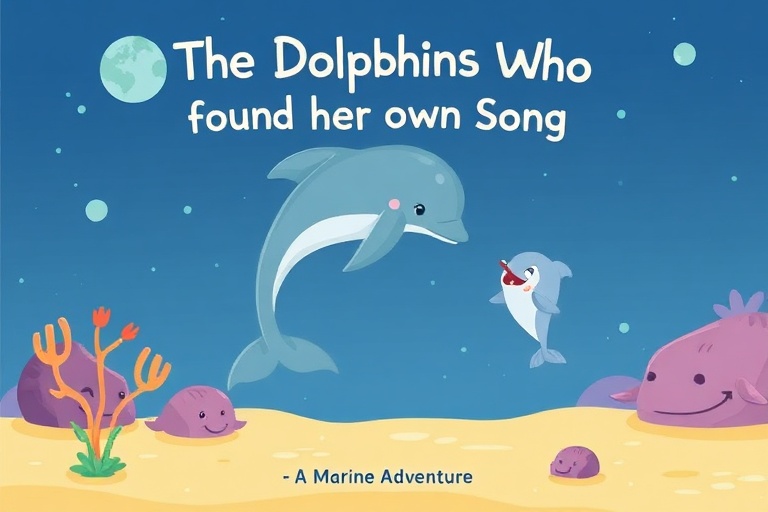
The Dolphin Who Found Her Own Song: A Marine Adventure
Preview
High Intermediate (B1 High) CEFR B1

The Dolphin Who Found Her Own Song: A Marine Adventure

Kira was a young dolphin who had always dreamed of joining the great whale migration. Every year, the whales travelled thousands of kilometres across the open ocean, and every year, Kira watched them...

Duration

5 min read

Length

350 words

Story

5 paragraphs

Story Excerpt

Sample preview reading passage

Paragraphs 1–2 of 5

Kira was a young dolphin who had always dreamed of joining the great whale migration. Every year, the whales travelled thousands of kilometres across the open ocean, and every year, Kira watched them from a distance. However, this year was different, because a competition had been announced: the fastest and smartest young dolphin would win the honour of leading the pod. Kira's heart raced with excitement, but also with fear, since she had never swum so far before.

The first challenge was to hold her breath for a long time. Like all marine mammals, dolphins breathe air through a blowhole on top of their heads, so they must come to the surface regularly. Kira practised diving deep and holding her breath, but she was not the strongest. Therefore, she decided to use her brain instead of her muscles. She remembered that dolphins can use echolocation to find their way in the dark water, and she began to practise sending out clicks and listening to the echoes.


Enjoying the preview?

Sign in to read the full story, track your progress, and earn rewards.

Complete Story & Ending Interactive Vocabulary & Quizzes Track Reading Streak & XP
Educational Objectives

Story Details

Grammar focus and learning objectives covered in this story.

Grammar Level

B1 · Present Perfect, Third Conditional, Past Simple

Learning Outcomes

  • Read and understand a story about marine mammals and their ocean travels.
  • Recognise and use target vocabulary such as mammal, blowhole, pod, echolocation, and migration.
  • Identify the main conflict and moral of the story (be yourself).
  • Answer comprehension questions about how whales and dolphins breathe, communicate, and travel.
  • Explain threats to marine mammals and how people can help them.

Grammar Focus

Present Perfect: have/has + past participle

Use the present perfect to talk about experiences or actions that happened at an unspecified time before now, or that have a result in the present.

“ Kira had always dreamed of joining the great whale migration.
Tip: Remember that the present perfect is not used with specific past time expressions like 'yesterday' or 'last year'.
Conditional (third): If + past perfect, would have + past participle

Use the third conditional to imagine a different past that did not happen, often to express regret or a hypothetical situation.

“ If it hadn't rained earlier, the park would have been crowded.
Tip: The third conditional is used for unreal past situations; the if-clause uses past perfect, and the main clause uses would have + past participle.
Past Simple: subject + verb(-ed) or irregular past form

Use the past simple to talk about completed actions in the past, often with a specific time or sequence of events.

“ Kira practised diving deep and holding her breath, but she was not the strongest.
Tip: Regular verbs form the past simple by adding -ed, but many common verbs are irregular (e.g., swim → swam, sing → sang).

Reading tip

Daily Habit

Don’t stop at every unknown word. Guess the meaning from context first, then check — that is how fluent readers build intuition.

Create a free account and turn this tip into a daily habit — full stories, quizzes, and progress tracking included.

More Stories to Read

Explore other popular stories from our reading library.

View all