



Back to Library
The Dragon Who Read in the Lantern Kingdom (3)
Preview
Elementary (A2 Low) CEFR A2

The Dragon Who Read in the Lantern Kingdom (3)

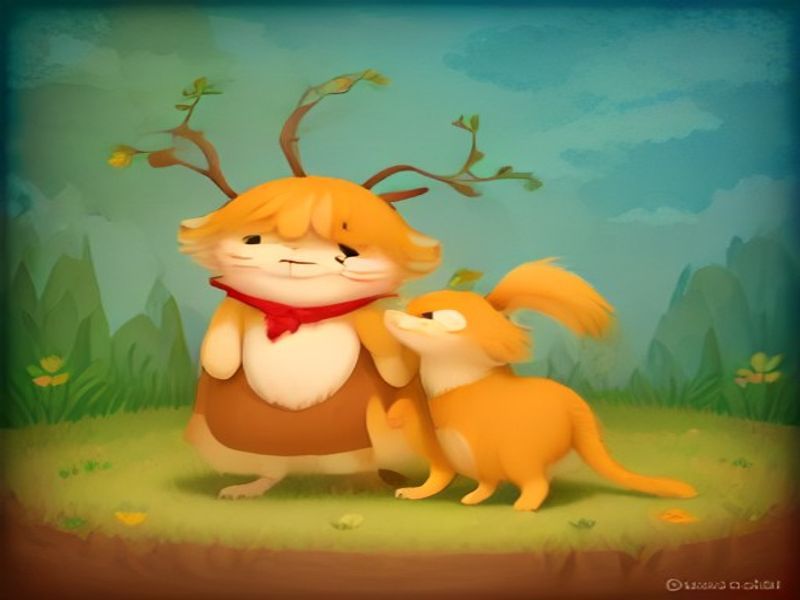
In a kingdom of lanterns, a gentle dragon named Lumi lived in a big castle. Every night, she read books in her room. The lanterns outside were bright and warm. Lumi loved her quiet life. She did not t...

Duration

5 min read

Length

238 words

Story

4 paragraphs

Story Excerpt

Sample preview reading passage

Paragraphs 1–2 of 4

In a kingdom of lanterns, a gentle dragon named Lumi lived in a big castle. Every night, she read books in her room. The lanterns outside were bright and warm. Lumi loved her quiet life. She did not talk to many people.

One morning, Lumi saw that the castle garden was not growing. The flowers were dry, and the trees had no leaves. "My garden is sad," she said. "Your garden needs help," said a little girl named Mia. "His garden is not the only one," said an old gardener. "Her garden can grow again with friends." Lumi felt worried. She did not want to ask for help.


Enjoying the preview?

Sign in to read the full story, track your progress, and earn rewards.

Complete Story & Ending Interactive Vocabulary & Quizzes Track Reading Streak & XP
Educational Objectives

Story Details

Grammar focus and learning objectives covered in this story.

Grammar Level

A2 · Past Simple, Future Simple, Possessive Adjectives

Learning Outcomes

  • read a short fantasy story about a dragon and a garden
  • recognise and use possessive adjectives like my, your, her, our, their
  • use the past simple to talk about finished actions
  • use 'will' to talk about future actions
  • answer comprehension questions about the story

Grammar Focus

Possessive adjectives: my, your, his, her, its, our, their

We use possessive adjectives to show who owns or has something. They come before a noun.

“ "My garden is sad," she said.
Tip: Remember that 'my' is for I, 'your' for you, 'his' for he, 'her' for she, 'its' for it, 'our' for we, and 'their' for they.
Past Simple: subject + verb-ed (regular verbs) or irregular past form

We use the past simple to talk about actions that happened and finished in the past.

“ Lumi asked Mia and the gardener for help.
Tip: For regular verbs, add -ed. For irregular verbs, learn the special past form (e.g., see → saw, read → read).
Future Simple: subject + will + base verb

We use 'will' to talk about the future, like plans or predictions.

“ The garden will grow again with friends.
Tip: Use 'will' before the main verb for all subjects (I will, you will, he will, etc.).

Reading tip

Daily Habit

Don’t stop at every unknown word. Guess the meaning from context first, then check — that is how fluent readers build intuition.

Create a free account and turn this tip into a daily habit — full stories, quizzes, and progress tracking included.

More Stories to Read

Explore other popular stories from our reading library.

View all