Back to Library
The Robot Who Feared the Dark: A Savanna Tale
Preview
High Elementary (A2 High) CEFR A2

The Robot Who Feared the Dark: A Savanna Tale

On the golden savanna, a young zebra named Zola walked with her family. They were on a long migration to find fresh grass and water, because the dry season had brought a terrible drought. Zola was cur...

Duration

5 min read

Length

250 words

Story

4 paragraphs

Story Excerpt

Sample preview reading passage

Paragraphs 1–2 of 4

On the golden savanna, a young zebra named Zola walked with her family. They were on a long migration to find fresh grass and water, because the dry season had brought a terrible drought. Zola was curious, but she was also afraid of the dark shadows that moved at night. "Stay close," said her mother, "for the savanna is full of surprises."

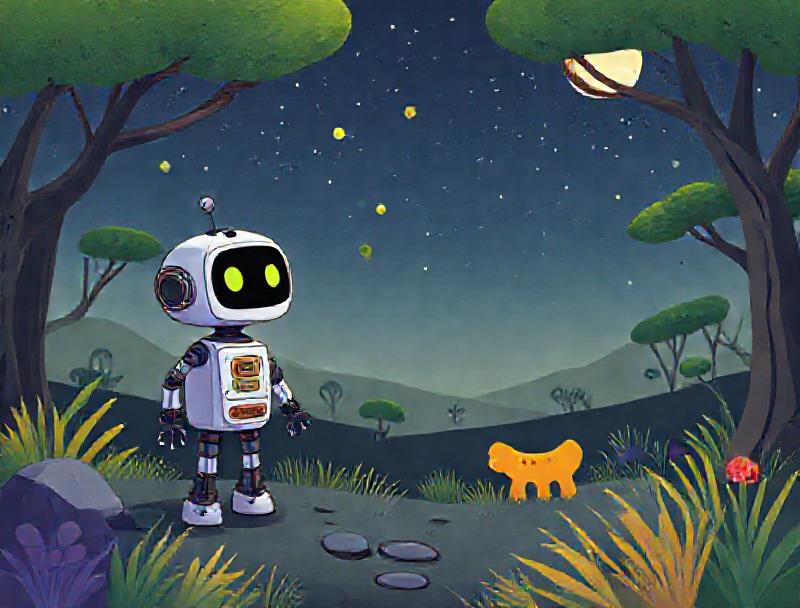
One evening, Zola met a small robot named Pip, who was lost and scared. Pip's metal body shook with fear. "I am afraid of the dark," Pip whispered. Zola, who was also afraid, felt kindness for the little robot. "We can be brave together," she said. "I will show you the savanna, and you can show me that the dark is not so scary."

Enjoying the preview?

Sign in to read the full story, track your progress, and earn rewards.

Complete Story & Ending Interactive Vocabulary & Quizzes Track Reading Streak & XP
Educational Objectives

Story Details

Grammar focus and learning objectives covered in this story.

Grammar Level

A2 · Past Simple, Present Simple, relative clauses with 'who'

Learning Outcomes

  • read and understand a short story about animals on the savanna
  • recognise and use past simple verbs to talk about past events
  • use relative clauses with 'who' to describe people or animals
  • explain the food chain from grasses to grazers to predators
  • talk about how seasons and drought affect animal migration

Grammar Focus

Past Simple: subject + verb-ed (regular) or irregular verb

Use the past simple to talk about completed actions in the past. Regular verbs add -ed, but many common verbs are irregular (e.g., 'was', 'met', 'said').

“ They were on a long migration to find fresh grass and water.
Tip: Learn irregular past forms like 'was', 'met', 'said' because they don't follow the -ed rule.
Relative clause: who + verb

Use 'who' to add extra information about a person or animal. It comes right after the noun it describes.

“ Zola, who was also afraid, felt kindness for the little robot.
Tip: Put the relative clause immediately after the noun it describes, and use commas if the information is extra.
Present Simple: subject + verb(-s) for habits and facts

Use the present simple to talk about things that are always true or happen regularly. Add -s for he/she/it.

“ The seasons shape our lives.
Tip: Remember to add -s to the verb when the subject is he, she, it, or a singular noun.

Reading tip

Daily Habit

Say new words out loud or use them in your own sentence — actively using a word moves it into lasting memory.

Create a free account and turn this tip into a daily habit — full stories, quizzes, and progress tracking included.

More Stories to Read

Explore other popular stories from our reading library.

View all