English
 中国人
 ខ្មែរ
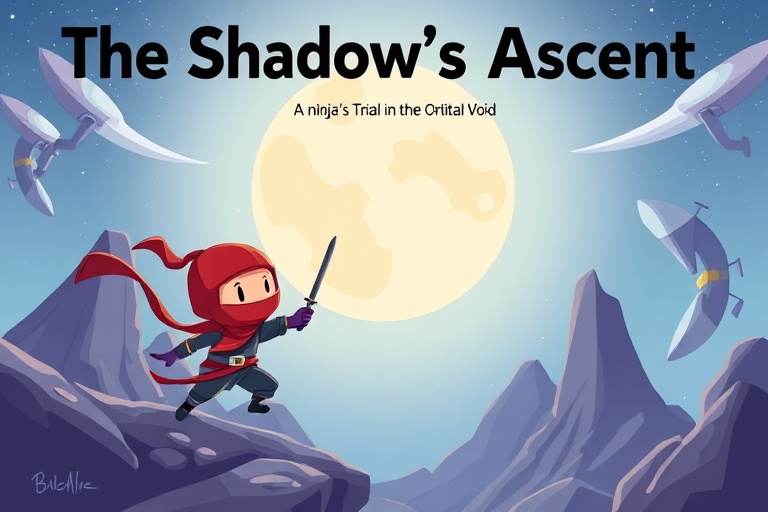
In the claustrophobic confines of the orbital station Kagerō, where the perpetual hum of life-support systems formed a mechanical lullaby, a clandestine operative known only as the Shadow moved with preternatural stealth. The station, a labyrinthine assemblage of modules and corridors, was ostensibly a civilian research facility, but in reality, it harboured secrets that could destabilise the fragile geopolitical equilibrium of Earth. The Shadow's mission was to retrieve a stolen data core containing encryption keys vital to global security, a task that demanded not only physical prowess but also an unyielding resolve. Yet, as the Shadow navigated the zero-gravity passageways, a familiar constriction seized his chest—a vestige of a childhood trauma that had long been buried beneath layers of rigorous training.
The source of his trepidation was not the enemy agents who prowled the station, nor the ever-present risk of decompression, but rather the station's observatory module, a vast transparent dome that offered an unobstructed view of the cosmos. For most, it was a place of awe; for the Shadow, it was a chamber of horrors, where the infinite blackness of space mirrored the abyss that had once swallowed his family during a catastrophic meteor shower. He had spent years perfecting the art of concealment, yet this phobia threatened to unravel his composure at the most critical juncture. As he approached the observatory, his heart hammered against his ribs, and his breath came in shallow, ragged gasps.