Back to Library
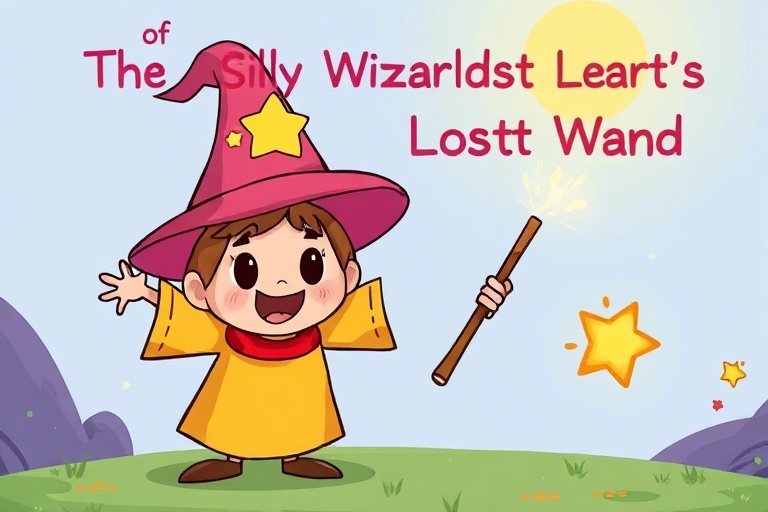
The Silly Wizard's Lost Wand
Preview
Elementary (A2 Low) General Reading CEFR A2

The Silly Wizard's Lost Wand

Once there was a wizard named Wally. He lived in a shiny magical kingdom. Wally had a big blue hat and a funny nose. One day, he lost his magic wand. He looked in his room, but it was not there.Wally...

Duration

5 min read

Length

164 words

Story

4 paragraphs

Story Excerpt

Sample preview reading passage

Paragraphs 1–2 of 4

Once there was a wizard named Wally. He lived in a shiny magical kingdom. Wally had a big blue hat and a funny nose. One day, he lost his magic wand. He looked in his room, but it was not there.

Wally went to his friend, Zippy the elf. Zippy gave him a big golden wand. 'This wand is very strong,' said Zippy. Wally tried to use it, but the wand made a silly noise and turned a chair into a banana.


Enjoying the preview?

Sign in to read the full story, track your progress, and earn rewards.

Complete Story & Ending Interactive Vocabulary & Quizzes Track Reading Streak & XP
Educational Objectives

Story Details

Grammar focus and learning objectives covered in this story.

Grammar Level

A2 · Past Simple, prepositions of place, past negative

Learning Outcomes

  • Read and understand a short story about a wizard using the past simple.
  • Recognise and use regular and irregular past simple verbs like lived, had, went, gave, tried, made, fell.
  • Use prepositions of place such as in, under, inside, and from to describe locations.
  • Form negative past simple sentences with did not + base verb.
  • Answer simple comprehension questions about the story's events and characters.

Grammar Focus

Past Simple: regular and irregular verbs (e.g., lived, had, went, gave, tried, made, fell)

Use the past simple to talk about finished actions in the past. Regular verbs add -ed (lived, looked, tried). Irregular verbs change form (had, went, gave, made, fell).

“ Once there was a wizard named Wally. He lived in a shiny magical kingdom.
Tip: Learn irregular past forms by heart, and remember that the past simple is the same for all persons (I lived, he lived).
Prepositions of place: in, under, inside, from

Use prepositions of place to say where something is or where an action happens. Common ones are in, under, inside, and from.

“ He looked everywhere: under the bed, inside a boot, and even in a flower pot.
Tip: Visualise the position: under means below, inside means within, in means inside a space, and from shows the starting point.
Past Simple negative: did not + base verb

To make a negative sentence in the past simple, use did not (didn't) + the base form of the verb. Do not change the main verb to past.

“ He did not find it.
Tip: Remember: after did not, always use the base verb (find, not found).

Reading tip

Daily Habit

Don’t stop at every unknown word. Guess the meaning from context first, then check — that is how fluent readers build intuition.

Create a free account and turn this tip into a daily habit — full stories, quizzes, and progress tracking included.

More Stories to Read

Explore other popular stories from our reading library.

View all