



Back to Library
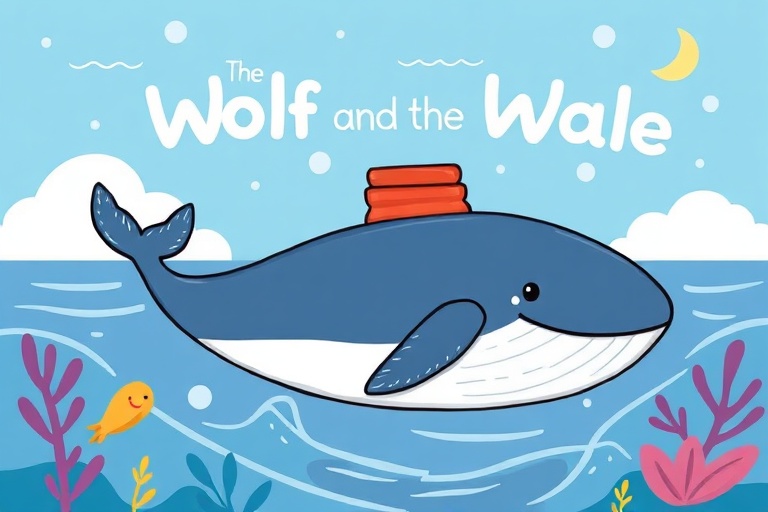
The Wolf and the Whale: A Deep-Sea Discovery
Preview
High Intermediate (B1 High) CEFR B1

The Wolf and the Whale: A Deep-Sea Discovery

In the shadowy depths of the underwater city of Aquaferra, a lone wolf named Kael swam through the silent streets. He had been trapped there for many years, ever since the surface world had become too...

Duration

5 min read

Length

423 words

Story

5 paragraphs

Story Excerpt

Sample preview reading passage

Paragraphs 1–2 of 5

In the shadowy depths of the underwater city of Aquaferra, a lone wolf named Kael swam through the silent streets. He had been trapped there for many years, ever since the surface world had become too dangerous for his kind. However, he had learned to survive by hunting glowing fish and hiding from the monstrous leviathan that patrolled the ruins. The city was beautiful in a haunting way, with its coral-covered towers and eerie blue light, but Kael often felt a deep loneliness.

One day, a young dolphin named Lira arrived in Aquaferra, separated from her pod during a sudden storm. She was frightened and exhausted, and she had been following a group of migrating whales when the current had pulled her away. Kael watched her from behind a broken statue, unsure whether to help or hide. However, when he saw the leviathan's dark shape approaching, he knew he had to act. "Follow me!" he barked, and Lira, trusting the strange wolf, swam after him into a narrow tunnel.


Enjoying the preview?

Sign in to read the full story, track your progress, and earn rewards.

Complete Story & Ending Interactive Vocabulary & Quizzes Track Reading Streak & XP
Educational Objectives

Story Details

Grammar focus and learning objectives covered in this story.

Grammar Level

B1 · Past Perfect, First Conditional, Modal Verbs (can/could)

Learning Outcomes

  • read and understand a spooky story about marine mammals and their underwater world.
  • recognise and use the past perfect, first conditional, and modal verbs for ability.
  • describe how whales and dolphins breathe and communicate using target vocabulary.
  • explain how marine mammals travel across oceans and the threats they face.
  • answer comprehension questions and write a short summary of the story.

Grammar Focus

Past Perfect: had + past participle

We use the past perfect to talk about an action that happened before another action in the past. It helps show the order of events.

“ He had been trapped there for many years, ever since the surface world had become too dangerous for his kind.
Tip: Use the past perfect when you need to make it clear that one past event happened earlier than another.
First Conditional: if + present simple, will + base verb

We use the first conditional to talk about real or possible future situations and their results.

“ If we work together, we can trap it.
Tip: Remember to use the present simple in the if-clause, not will.
Modal verbs for ability: can, could

We use 'can' for present ability and 'could' for past ability or polite requests.

“ I couldn't have done it without you.
Tip: Use 'could' for past ability and 'can' for present ability.

Reading tip

Daily Habit

Don’t stop at every unknown word. Guess the meaning from context first, then check — that is how fluent readers build intuition.

Create a free account and turn this tip into a daily habit — full stories, quizzes, and progress tracking included.

More Stories to Read

Explore other popular stories from our reading library.

View all