English
 中国人
 ខ្មែរ
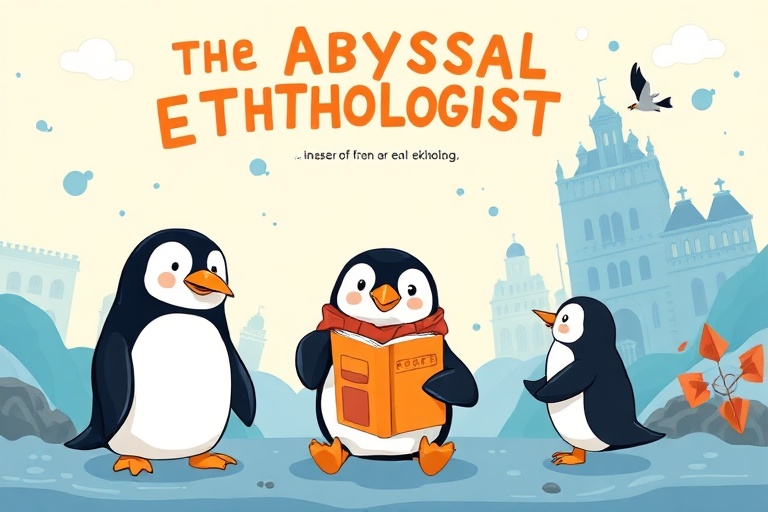
The underwater city of Hydropolis, a marvel of cetacean engineering and bioluminescent architecture, was home to a colony of Adélie penguins who had, over countless generations, adapted to a sedentary life beneath the polar ice. Dr. Elara Voss, a marine ethologist, had been embedded in this colony for eighteen months, meticulously documenting their behavioural patterns for a comprehensive report. Her primary subject was Pingu, a juvenile male whose acute hydrophobia stood in stark contrast to the amphibious prowess of his peers. Despite his fear, Pingu exhibited a remarkable propensity for observational learning, often watching others from the safety of a kelp frond.
Hydropolis was sustained by a symbiotic relationship with the ocean's currents, which circulated nutrients through a network of porous vents; however, a sudden shift in the thermohaline circulation threatened to starve the city of oxygen. The colony's elders convened an emergency council, their deliberations characterised by a cacophony of squawks and flipper gestures. They concluded that only a perilous expedition to the Abyssal Trench could retrieve the rare thermal vents that would restore the current. Pingu, though terrified, listened intently as the elders described the journey's hazards.