English
 中国人
 ខ្មែរ
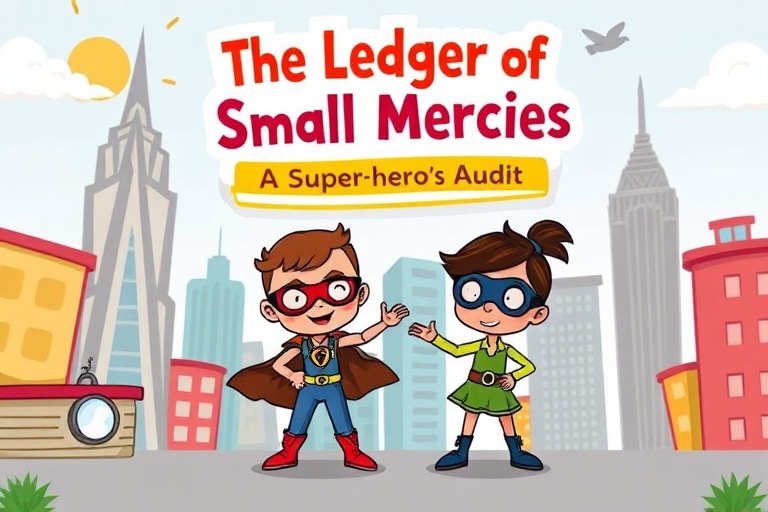
Byron Vance, known to the public as the Sentinel of the Seventh Ward, spent his Tuesday evenings not thwarting bank heists but reconciling the household budget with the grim precision of a forensic accountant. The brownstone he shared with his retired mother, Dolores, operated on a fixed income that had not kept pace with the escalating costs of reinforced drywall and industrial-grade cleaning solvents. Every time he punched a villain through a load-bearing wall, the repair bill arrived with the same inevitability as a supervillain's monologue. "You saved the neighborhood again," Dolores remarked, sliding a stack of overdue invoices across the kitchen table. "The neighborhood is grateful, but the neighborhood is not paying for your cape's dry cleaning."
The fundamental problem, Byron had come to realize, was that heroism generated what economists call negative externalities: collateral damage that nobody budgeted for, least of all the hero himself. His monthly stipend from the city's Office of Emergency Management barely covered his utility bills, let alone the specialized equipment that made his interventions possible. He had begun to take on consulting work—disaster preparedness seminars, mostly—but the income was sporadic and, frankly, beneath his dignity. Dolores, who had managed a small hardware store for thirty years before retiring, suggested he seek help from the one resource he had consistently overlooked: his peers.