English
 中国人
 ខ្មែរ
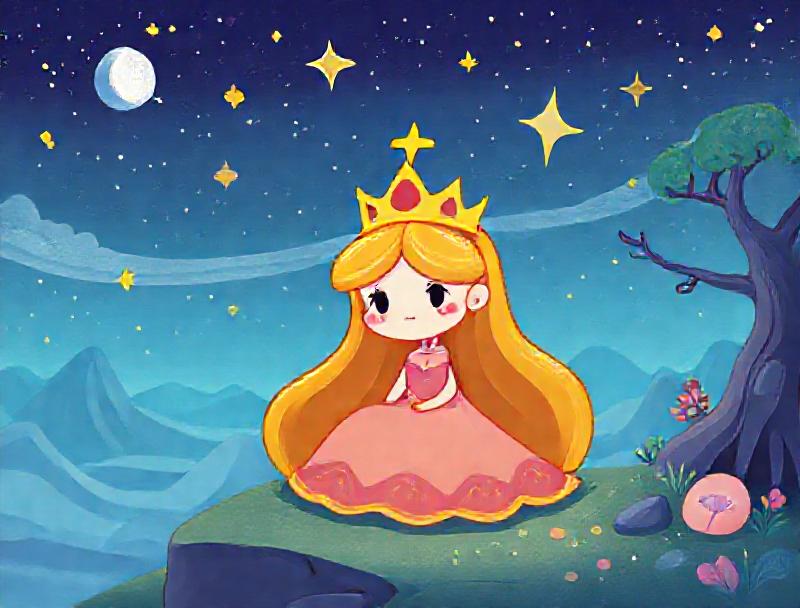
Princess Lyra floated in the observation dome of the starship Aethelgard, her fingers tracing the cold glass as she watched the nebulae bloom like ink in water. The ship hummed a lullaby of quantum drives and recycled air, a constant reminder that she was billions of miles from any planetary soil. Her daily routine—a meticulous schedule of hydroponic gardening, stellar cartography, and diplomatic correspondence—had been disrupted by a singular, nagging absence: her mother's heirloom locket, a tiny sphere of compressed starlight, was missing. It was not merely a trinket; it was the last physical artifact from a world that had been swallowed by a supernova, and its loss felt like a second death.
Lyra had retraced her steps through the ship's labyrinthine corridors, from the botanical bay where she had pruned the oxygen-producing ferns to the communications deck where she had drafted a treaty with the silicon-based lifeforms of Kepler-442b. Each location yielded nothing but the sterile gleam of polished alloy and the faint scent of ozone. She interrogated the ship's AI, a disembodied voice named Virgil, who reported with infuriating calm that no anomalous object had been logged in the past seventy-two hours. The locket, it seemed, had simply evaporated—a possibility that Lyra, with her rigorous scientific training, refused to entertain.