Back to Library
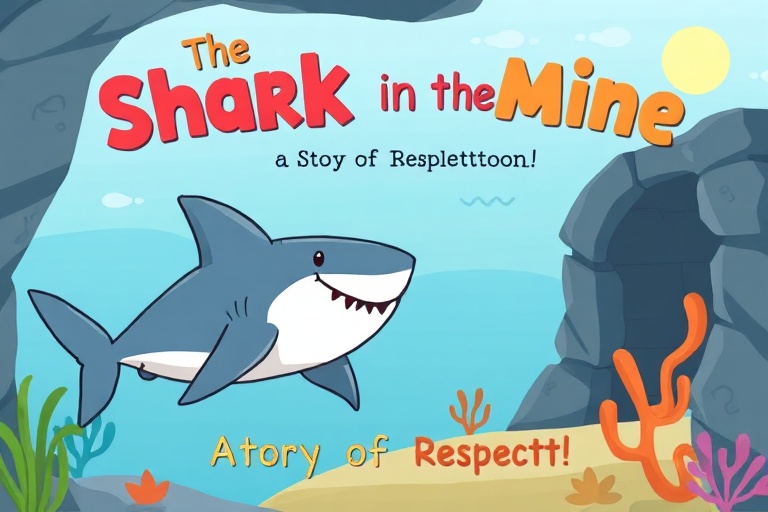
The Shark in the Mine: A Story of Respect
Preview
Elementary (A2 Low) Academic CEFR A2

The Shark in the Mine: A Story of Respect

In 1912, a young miner named Tom worked in a coal mine in England. The mine was deep and dark. One day, Tom saw a big shark in a flooded tunnel. The shark was old and blind. Tom laughed and said, "You...

Duration

5 min read

Length

200 words

Story

4 paragraphs

Story Excerpt

Sample preview reading passage

Paragraphs 1–2 of 4

In 1912, a young miner named Tom worked in a coal mine in England. The mine was deep and dark. One day, Tom saw a big shark in a flooded tunnel. The shark was old and blind. Tom laughed and said, "You are useless here." The old miner, Mr. Brown, said, "Do not laugh. That shark is older than you."

Tom did not listen. He wanted to show he was brave. He tried to touch the shark with a stick. The shark moved fast and bit the stick. Tom fell into the cold water. He shouted for help. Mr. Brown pulled him out quickly. Tom was safe but very scared.


Enjoying the preview?

Sign in to read the full story, track your progress, and earn rewards.

Complete Story & Ending Interactive Vocabulary & Quizzes Track Reading Streak & XP
Educational Objectives

Story Details

Grammar focus and learning objectives covered in this story.

Grammar Level

A2 · Past Simple, Future Simple, Modal 'must'

Learning Outcomes

  • Read and understand a short story about a shark in a mine.
  • Recognise and use the past simple tense for regular and irregular verbs.
  • Use 'will' to talk about future actions and promises.
  • Use 'must' to express obligation and importance.
  • Answer comprehension questions about the story's events and moral.

Grammar Focus

Past Simple: subject + verb(-ed) (regular and irregular)

Use the past simple to talk about completed actions in the past. Regular verbs add -ed, and irregular verbs change form.

“ Tom worked in a coal mine in England.
Tip: Learn common irregular past forms like 'saw', 'said', 'fell' because they do not follow the -ed rule.
Future Simple: subject + will + verb

Use 'will' to talk about future actions, promises, or predictions.

“ I will listen to you.
Tip: Use 'will' for decisions made at the moment of speaking, like promises.
Modal verb 'must' for obligation: subject + must + verb

Use 'must' to say something is necessary or very important.

“ You must respect your elders.
Tip: Remember that 'must' does not change form (no -s for he/she/it).

Reading tip

Daily Habit

Pick stories slightly below your level. Understanding about 95% of the words keeps reading enjoyable and effective.

Create a free account and turn this tip into a daily habit — full stories, quizzes, and progress tracking included.

More Stories to Read

Explore other popular stories from our reading library.

View all