Back to Library
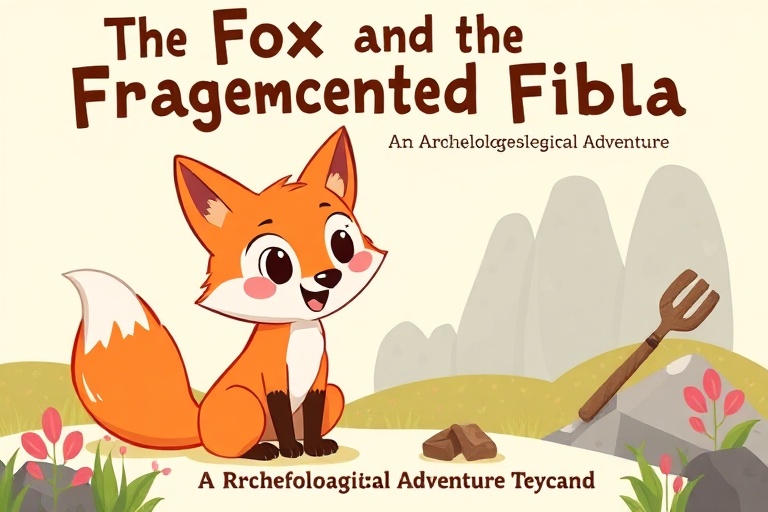
The Fox and the Fragmented Fibula: An Archaeological Adventure
Preview
Intermediate (B1 Low) Academic CEFR B1

The Fox and the Fragmented Fibula: An Archaeological Adventure

Although the annual Archaeological Dig Competition was usually dominated by teams of humans, a clever red fox named Finn had secretly entered the contest. He had watched the archaeologists from behind...

Duration

5 min read

Length

350 words

Story

5 paragraphs

Story Excerpt

Sample preview reading passage

Paragraphs 1–2 of 5

Although the annual Archaeological Dig Competition was usually dominated by teams of humans, a clever red fox named Finn had secretly entered the contest. He had watched the archaeologists from behind the bushes for many weeks, and he had learned that the goal was to find the most important ancient object. The prize was a lifetime supply of fresh fish, which was a reward that Finn found extremely appealing. Because he was small and quick, he believed he could sneak into the excavation site without being noticed.

On the first day of the competition, Finn waited until the humans were busy digging in a large trench. If he moved quietly, he could search the edges of the site where the soil was soft. He used his sharp claws to scratch at the ground, and he soon uncovered a small, white object. It looked like a piece of bone, but Finn was not sure if it was ancient or just a leftover from a recent meal. He decided to keep it as his first piece of evidence.

Enjoying the preview?

Sign in to read the full story, track your progress, and earn rewards.

Complete Story & Ending Interactive Vocabulary & Quizzes Track Reading Streak & XP
Educational Objectives

Story Details

Grammar focus and learning objectives covered in this story.

Grammar Level

B1 · Past Simple, First Conditional, clauses with 'because'

Learning Outcomes

  • read a story about a fox in an archaeological competition and understand the main events
  • recognise and use the past simple tense to describe completed actions
  • use the first conditional to talk about possible future situations
  • explain the importance of evidence using because-clauses

Grammar Focus

Past Simple: subject + verb(-ed) or irregular past form

Use the past simple to talk about completed actions in the past. Regular verbs add -ed, but many common verbs are irregular (e.g., find → found, hide → hid).

“ He hid them all under a bush near his den, because he wanted to keep his discoveries a secret.
Tip: Learn irregular past forms by heart, as they do not follow the -ed rule.
First Conditional: If + present simple, will/can + base verb

Use the first conditional to talk about real possibilities in the future. The if-clause uses the present simple, and the main clause uses will or can.

“ If he moved quietly, he could search the edges of the site where the soil was soft.
Tip: Remember that the if-clause does not use 'will'. Use present simple instead.
Subordinate clauses with 'because': main clause + because + reason

Use 'because' to give a reason for something. It introduces a subordinate clause that explains why the main action happens.

“ The judges were impressed because Finn had recorded the location of every find, which is a crucial part of archaeological evidence.
Tip: Place the because-clause after the main clause for clarity, or before it with a comma.

Reading tip

Daily Habit

Don’t stop at every unknown word. Guess the meaning from context first, then check — that is how fluent readers build intuition.

Create a free account and turn this tip into a daily habit — full stories, quizzes, and progress tracking included.

More Stories to Read

Explore other popular stories from our reading library.

View all