Back to Library
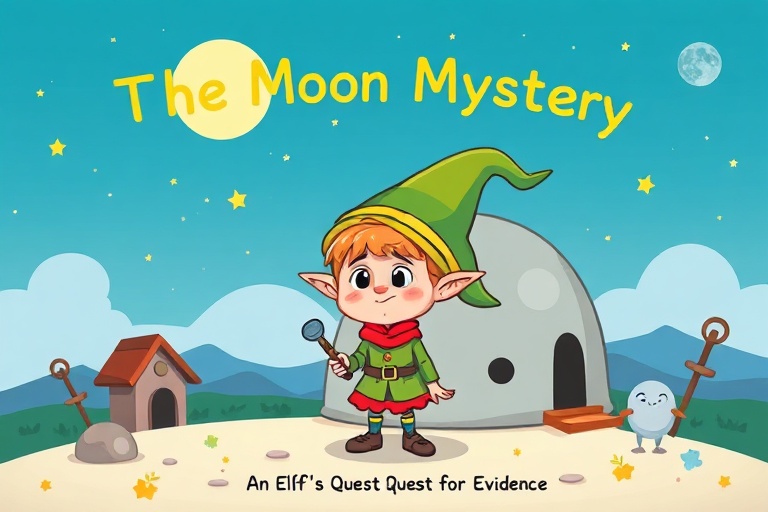
The Moon Base Mystery: An Elf's Quest for Evidence
Preview
High Intermediate (B1 High) Academic CEFR B1

The Moon Base Mystery: An Elf's Quest for Evidence

Lira, a young elf with a passion for science, had been living on the Moon Base for three years. Every day, she studied the strange minerals found in the lunar craters. However, her peaceful routine wa...

Duration

5 min read

Length

315 words

Story

5 paragraphs

Story Excerpt

Sample preview reading passage

Paragraphs 1–2 of 5

Lira, a young elf with a passion for science, had been living on the Moon Base for three years. Every day, she studied the strange minerals found in the lunar craters. However, her peaceful routine was shattered when a terrifying monster began appearing near the base's main entrance. The creature had glowing red eyes and sharp claws, and it frightened everyone. Lira knew she had to do something, but she also understood that panic would not solve the problem.

Instead of rushing to fight the monster, Lira decided to gather evidence. She set up cameras and sensors around the area where the creature had been seen. For several nights, she collected data and observed the monster's behaviour from a safe distance. If she had acted without this information, she might have made a terrible mistake. Therefore, she patiently recorded every detail, including the times and places of each sighting.


Enjoying the preview?

Sign in to read the full story, track your progress, and earn rewards.

Complete Story & Ending Interactive Vocabulary & Quizzes Track Reading Streak & XP
Educational Objectives

Story Details

Grammar focus and learning objectives covered in this story.

Grammar Level

B1 · Past Simple, Past Perfect, Third Conditional, Passive Voice

Learning Outcomes

  • Read a story about an elf on a moon base and understand the main events.
  • Recognise and use the past perfect to show the order of past events.
  • Use the third conditional to talk about imaginary past situations.
  • Identify passive voice sentences and understand why they are used.
  • Explain the importance of evidence in making decisions.

Grammar Focus

Past Perfect: had + past participle

We use the past perfect to talk about an action that happened before another action in the past. It helps show the order of events.

“ If she had acted without this information, she might have made a terrible mistake.
Tip: Use the past perfect when you need to make it clear that one past action happened before another.
Third Conditional: If + past perfect, would have + past participle

We use the third conditional to imagine a different past outcome. It describes something that did not happen and its imaginary result.

“ If she had acted without this information, she might have made a terrible mistake.
Tip: Remember that the third conditional is only for unreal past situations. Do not use it for real past events.
Passive Voice: be + past participle

We use the passive voice when we want to focus on the action or the receiver of the action, rather than the doer.

“ Every day, she studied the strange minerals found in the lunar craters.
Tip: Use the passive voice when the person or thing doing the action is unknown, unimportant, or obvious from context.

Reading tip

Daily Habit

Re-read a story you enjoyed. Each pass deepens comprehension and helps new words stick in long-term memory.

Create a free account and turn this tip into a daily habit — full stories, quizzes, and progress tracking included.

More Stories to Read

Explore other popular stories from our reading library.

View all