Back to Library
The Mystery of the Frozen Tundra: A Marine Biologist's Discovery
Preview
Intermediate (B1 Low) Academic CEFR B1

The Mystery of the Frozen Tundra: A Marine Biologist's Discovery

Dr. Lena Petrova was a marine biologist who studied the frozen tundra of the Arctic. Although the weather was extremely cold, she was determined to solve a mystery that had puzzled scientists for year...

Duration

5 min read

Length

385 words

Story

5 paragraphs

Story Excerpt

Sample preview reading passage

Paragraphs 1–2 of 5

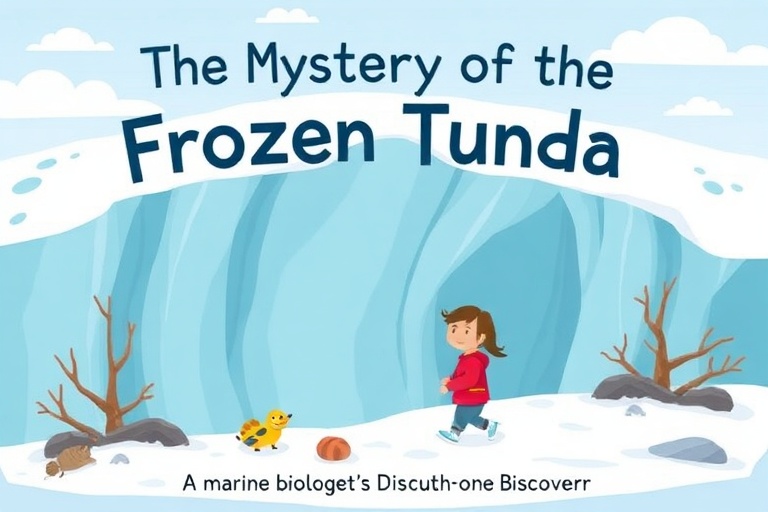
Dr. Lena Petrova was a marine biologist who studied the frozen tundra of the Arctic. Although the weather was extremely cold, she was determined to solve a mystery that had puzzled scientists for years. Every winter, large numbers of fish disappeared from the coastal waters. Lena believed that the fish were not dying, but rather moving to a hidden location. She wanted to find out where they went and why they went there.

One morning, Lena set out on a snowmobile with her friend, Dr. Akiq, who was an expert on Arctic ice. Because the ice was very thin in some places, they had to be careful. They traveled for hours, following a map that showed old fishing spots. Finally, they arrived at a large frozen lake that was not on any map. Lena noticed something strange: the ice was clear, and she could see fish swimming underneath. She realized that the fish were using this lake as a winter refuge.


Enjoying the preview?

Sign in to read the full story, track your progress, and earn rewards.

Complete Story & Ending Interactive Vocabulary & Quizzes Track Reading Streak & XP
Educational Objectives

Story Details

Grammar focus and learning objectives covered in this story.

Grammar Level

B1 · Past Simple, Past Perfect, subordinate clauses with 'although'

Learning Outcomes

  • read and understand a story about a scientific mystery in the Arctic.
  • recognise and use the past simple and past perfect to describe past events.
  • identify and use subordinate clauses with 'although' to show contrast.
  • answer comprehension questions about the main idea, details, and inference.

Grammar Focus

Past Simple: subject + verb (past form)

Use the past simple to talk about completed actions in the past. It is often used in stories to describe events that happened one after another.

“ Dr. Lena Petrova was a marine biologist who studied the frozen tundra of the Arctic.
Tip: Regular verbs form the past simple by adding -ed, but many common verbs are irregular (e.g., go → went, see → saw).
Subordinate clauses with 'although'

Use 'although' to introduce a contrast or an unexpected fact. It can come at the beginning or in the middle of a sentence.

“ Although the weather was extremely cold, she was determined to solve a mystery that had puzzled scientists for years.
Tip: When 'although' starts a sentence, put a comma after the first clause.
Past Perfect: subject + had + past participle

Use the past perfect to talk about an action that happened before another action in the past. It helps show the order of events.

“ The fish had traveled through a network of underwater tunnels that connected the coastal waters to the hidden lake.
Tip: The past perfect is often used with 'before', 'after', or 'when' to show which action happened first.

Reading tip

Daily Habit

Re-read a story you enjoyed. Each pass deepens comprehension and helps new words stick in long-term memory.

Create a free account and turn this tip into a daily habit — full stories, quizzes, and progress tracking included.

More Stories to Read

Explore other popular stories from our reading library.

View all