Back to Library
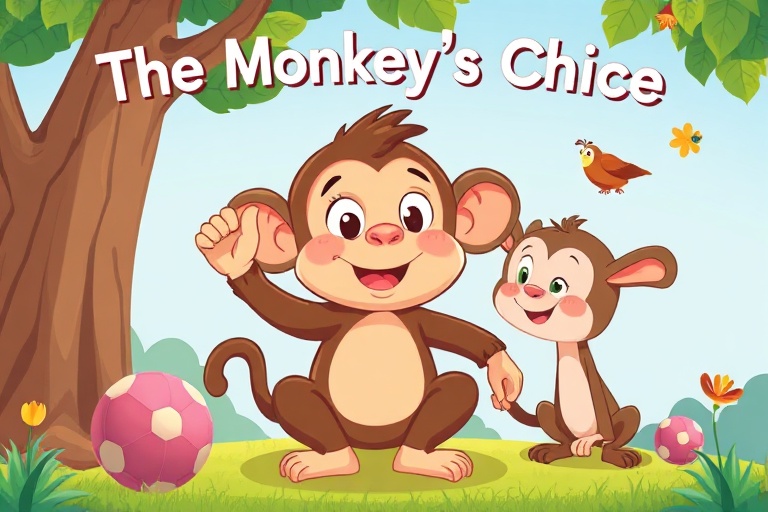
The Monkey's Choice
Preview
Elementary (A2 Low) Academic CEFR A2

The Monkey's Choice

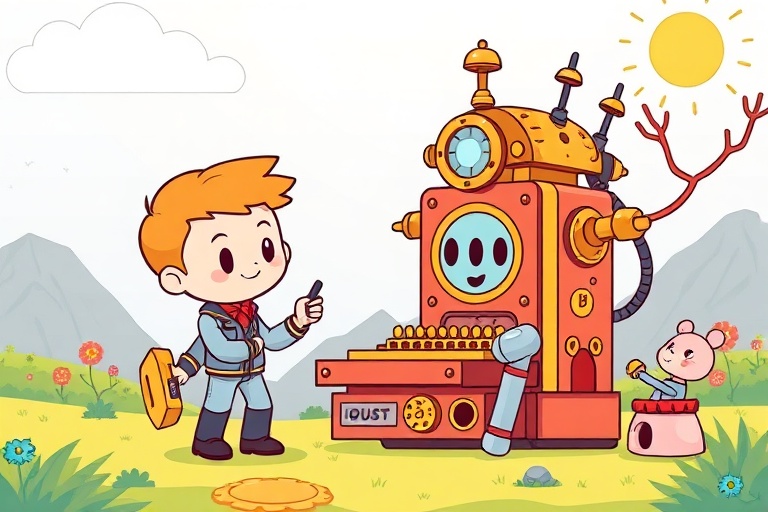
In the old toy factory, a little monkey named Milo lived. He worked with the machines, painting toy cars red and blue. Every day, he saw a sad robot in a corner. The robot had a broken arm and no one...

Duration

5 min read

Length

166 words

Story

4 paragraphs

Story Excerpt

Sample preview reading passage

Paragraphs 1–2 of 4

In the old toy factory, a little monkey named Milo lived. He worked with the machines, painting toy cars red and blue. Every day, he saw a sad robot in a corner. The robot had a broken arm and no one fixed it.

One night, the factory boss came to Milo. He said, "Milo, you can have a big box of bananas. But you must leave the factory and never come back." Milo loved bananas, but he also loved his home. He looked at the sad robot and felt sorry for it.


Enjoying the preview?

Sign in to read the full story, track your progress, and earn rewards.

Complete Story & Ending Interactive Vocabulary & Quizzes Track Reading Streak & XP
Educational Objectives

Story Details

Grammar focus and learning objectives covered in this story.

Grammar Level

A2 · Past Simple, modal verbs (can/must), prepositions of place

Learning Outcomes

  • read and understand a short story about a monkey's choice in a toy factory.
  • recognise and use regular and irregular Past Simple verbs to talk about past events.
  • use 'can' and 'must' to express ability, permission, and obligation.
  • identify and use prepositions of place like 'in', 'at', and 'with' correctly.
  • answer comprehension questions about the story's plot and characters.

Grammar Focus

Past Simple: regular and irregular verbs (e.g. lived, worked, saw, came, made, took, found, fixed, smiled, said, gave, learned)

Use the Past Simple to talk about completed actions in the past. Regular verbs add -ed, while irregular verbs change form (e.g. see → saw, come → came, make → made).

“ In the old toy factory, a little monkey named Milo lived.
Tip: Learn irregular past forms in groups (e.g. see/saw, come/came, make/made) and practise using them in sentences about past events.
Modal verbs for ability and obligation: can + base verb, must + base verb

Use 'can' to say someone is able to do something or has permission. Use 'must' to say something is necessary or required.

“ He said, "Milo, you can have a big box of bananas. But you must leave the factory and never come back."
Tip: Remember that after 'can' and 'must', use the base form of the verb without 'to' (e.g. 'can have', not 'can to have').
Prepositions of place: in, at, with, in a corner

Prepositions of place show where something or someone is. Common ones include 'in' (inside), 'at' (a specific point), and 'with' (together/accompanying).

“ Every day, he saw a sad robot in a corner.
Tip: Visualise the position: 'in' for enclosed spaces, 'at' for points, 'with' for being together with someone or something.

Reading tip

Daily Habit

Don’t stop at every unknown word. Guess the meaning from context first, then check — that is how fluent readers build intuition.

Create a free account and turn this tip into a daily habit — full stories, quizzes, and progress tracking included.

More Stories to Read

Explore other popular stories from our reading library.

View all